
Consulting area
Develop organization and collaboration
Friction rarely results from a lack of competence. More often, roles are unclear, expectations are not aligned and ways of working are not binding.
Focus areas
Focus areas in organizational development
Team development
Team development focuses on roles, expectations and how people actually work together day to day.
- Current-state assessment: What works, and what drains energy?
- Clarify expectations and ground rules for collaboration
- Address conflicts instead of managing around them
Role clarity
Who decides, who delivers and who needs to be involved?
- Interfaces between departments and projects
- Make duplicate work and gaps in responsibility visible
- Binding agreements instead of cosmetic changes to the organization chart
Workshops and facilitation
Structured work on issues that get left behind in day-to-day business.
- Facilitation of strategy sessions and leadership retreats
- Focused workshops with clear outcomes and ownership
- Neutral facilitation in tense situations
Supporting change processes
From the first announcement until the new way of working becomes everyday practice.
- Communicating change consistently through the leadership structure
- Dealing with resistance and open questions
- Follow-up: What has actually been implemented?
Tool used in consulting
Team Management Profile
The Team Management Profile shows how people prefer to work and where they most enjoy contributing to a team. In the joint review, strengths, complementary preferences and potential friction become easier to understand, without putting people into boxes.
I use TMP as a starting point for practical team development: clarify roles, improve collaboration and agree what the team will do differently in future. The profile is not an end in itself. It creates a shared language for everyday work.
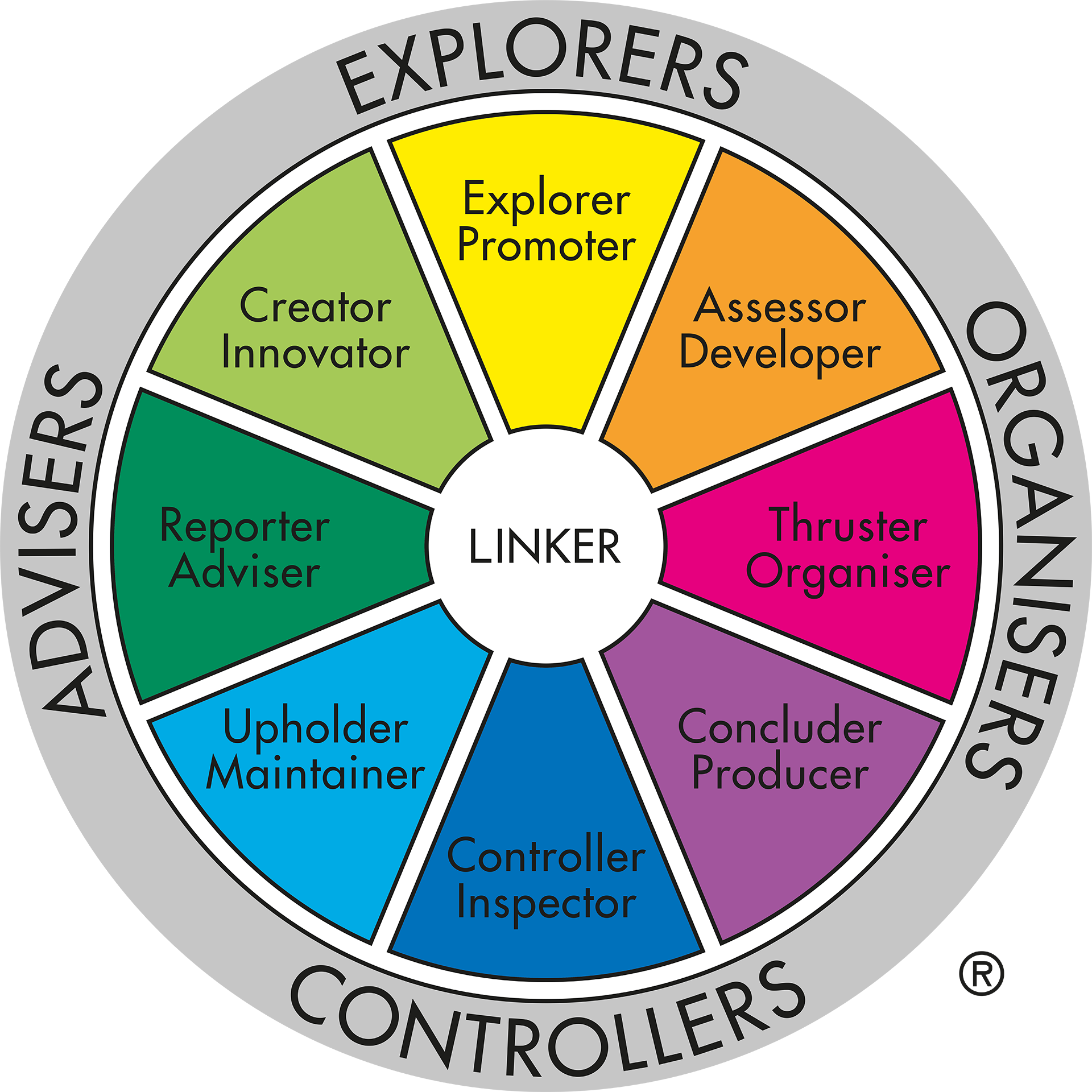
The Team Management Wheel and the Types of Work Wheel by Margerison-McCann are registered trademarks. Used with kind permission from Team Management Systems IP Pty Ltd, Brisbane / Australia. tms.global
Is collaboration currently costing your team more energy than it creates?
We look at where friction arises and what changes will make a concrete difference.